Top Three Furniture Pieces You Should Splurge On
I’m shopping for a new sofa (and have been for about two years now). I didn’t spend much on the two sofas I currently have. Our basement IKEA sofa is now totally shredded by our dogs, and the springs have finally just given up. My upstairs Pier One sofa isn’t as old but is starting to look tired, so it’ll replace the IKEA sofa when we kick it to the curb.
This time, I’ve done the research and now know this is a piece I should be spending some money on. Why? Read on and I’ll share.
When furnishing a home, the question I hear most from clients is: “Where should I actually spend my budget?” Not every piece of furniture deserves the same investment. Some pieces are meant to be swapped out as your style evolves, but a few work hard every single day, and skimping on them almost always costs more in the long run. Here are the three pieces worth spending real money on, and exactly what to look for when you do.
1. Sofa
You’ll sit on it every day for a decade or more, so this is where quality differences show up fastest. A cheap frame or low-density foam breaks down in a few years (trust me, I’m living proof), while a well-built sofa can be reupholstered and last for decades.
What to look for:
- Hardwood or steel frame construction. A properly built frame, reinforced at high-stress points, is what keeps a sofa from sagging and creaking over time
- Eight-way hand-tied springs, or a well-built sinuous spring system
- High-grade foam or down cushioning
- Quality upholstery that can be reupholstered if needed. This alone can extend a sofa’s life well beyond the original fabric
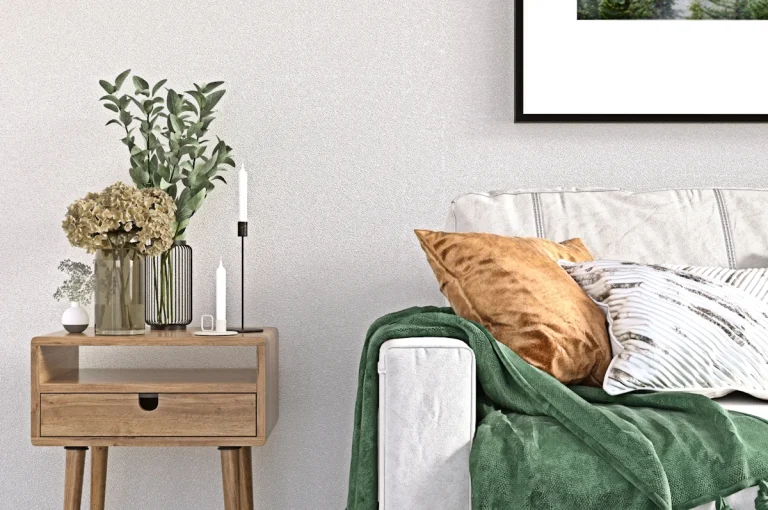
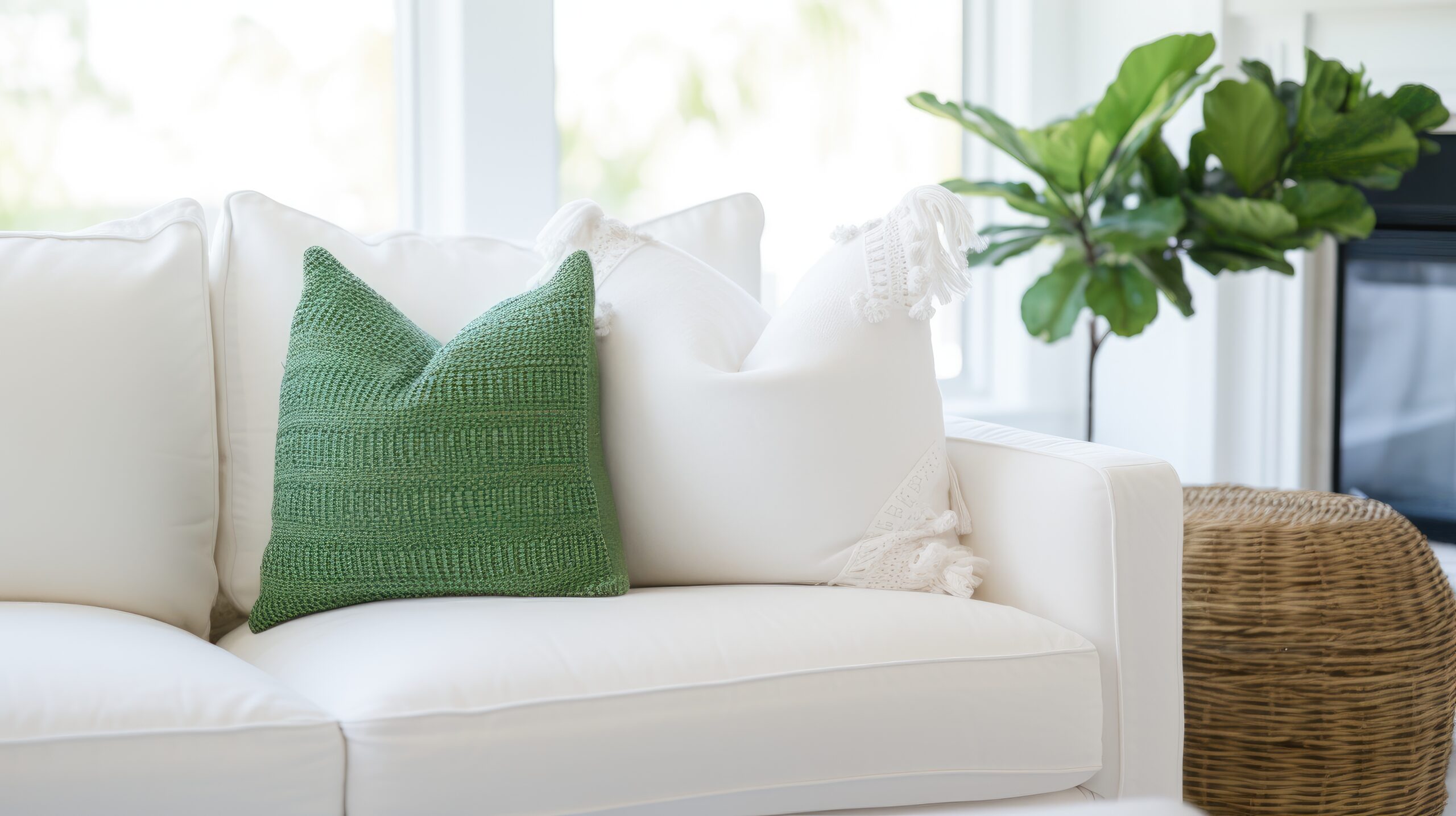
From my own experience: I get bored fast, so I’ve learned to choose sofas in neutral tones with classic, clean lines, something that will stand the test of time. Then I dress it up with pillows that are bold in color and pattern. Pillows are a relatively inexpensive purchase, so there’s less guilt in swapping them out seasonally, or just whenever the mood strikes.
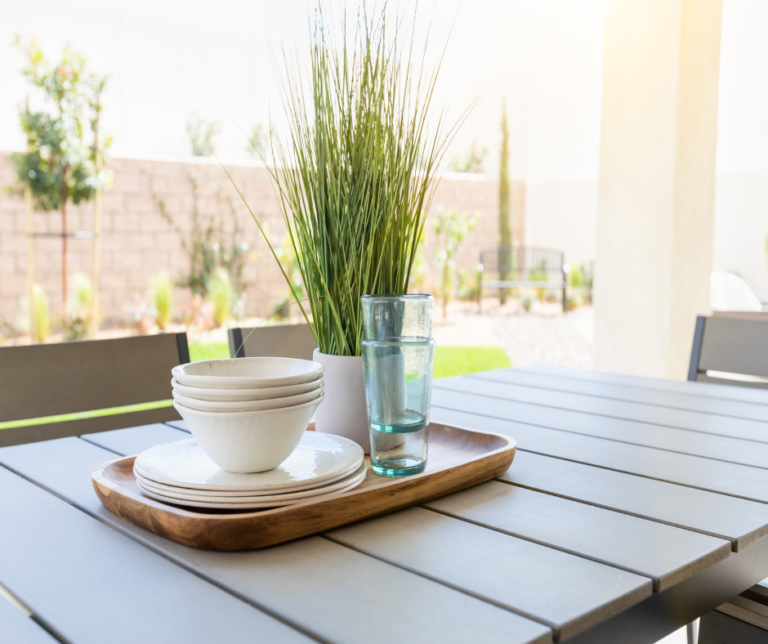
2. Dining Table
It’s the piece your family actually gathers around, for weeknight dinners, homework, and holidays. Solid wood gets better with age. Scratches and wear turn into character over the years, and the table can be sanded and refinished decades from now instead of replaced. Veneer, on the other hand, just looks more worn and damaged over time, with no real way to fix it.
What to look for:
- Solid wood construction over veneer. Veneer tables can be beautiful, but they’re far less repairable long-term
- Traditional joinery (mortise-and-tenon or dovetail) rather than staples or glue alone
- A sturdy base with zero wobble. Test this in the showroom before you buy
- Size appropriate for your space and lifestyle, not just how many chairs fit, but how the table lives day to day
- A finish that can handle daily spills and be refreshed later, rather than a delicate topcoat that shows every mark
3. Your Bed
You spend roughly a third of your life in bed, making it one of the most important furniture purchases you’ll ever make. Unlike style choices, this one directly affects your health: your sleep quality, spinal alignment, and how you feel every single morning.
Investment priorities:
Mattress: the foundation of good sleep
- CertiPUR-US certification, which shows the materials have been independently tested for environmental and safety standards
- Foam density over marketing language. Softer foams below a certain density degrade faster, so a plush feel at purchase can actually mean a shorter lifespan
- How quickly it recovers shape when you shift positions. A slow, “lagging” response is a durability red flag
- A real trial period at home over several weeks. It reveals far more than a five-minute lie-down in a showroom ever will
Bed frame: solid wood or quality metal that won’t creak or sag
- Sturdy joinery and construction that holds up under nightly weight and movement
- Materials built to last, not just look good on day one
Quality bedding: thread count isn’t everything, but fabric quality matters
- Natural fibers like cotton or linen that breathe and soften with washing
- Construction and stitching that hold up wash after wash
The Bottom Line
While budget furniture might seem like a good deal initially, consider:
- Replacement costs: Cheap furniture often needs replacing every 2-3 years
- Environmental impact: Disposable furniture contributes to landfill waste
- Comfort and health: Poor-quality seating can affect your posture and well-being
- Room aesthetics: Cheap furniture often looks cheap, affecting your entire space
As for my sofa search? I’ll be looking for a solid hardwood frame and springs that will actually hold up, dogs included. I’ll share what I find.
Not sure where to start? A design consultation can help you identify which pieces deserve your most significant investment, find quality options within your budget, plan a purchasing timeline that works for your finances, and mix investment pieces with smart value finds along the way. Whether you’re furnishing your first home or upgrading pieces you’ve had for years, I’m here to help you make choices you’ll love for decades to come. [Contact us] to get started.